
Arab Canada News – News for the Arab Community in Canada
News
Inflation in Canada falls to 2.8% with a decrease in gasoline prices and easing core pressures
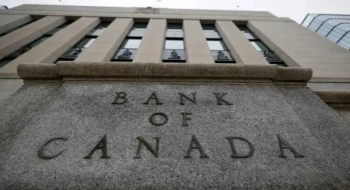
Bank of Canada's preferred inflation measures fall below 2%, while grocery and travel prices remain high amid ongoing energy and Middle East war risks

Published: July 20, 2026
The annual inflation rate in Canada slowed to 2.8% in June, down from 3.2% in May, in a reading that was slightly better than market expectations and reinforced indications that the rise in energy costs has not yet turned into a broad wave of increases in the prices of goods and services.
Economists had expected the Consumer Price Index to register 2.9%, but the sharp drop in gasoline prices during the month pushed the overall rate to decline more than expected.
On a monthly basis, the Consumer Price Index fell by 0.4%, marking the largest decline since December 2024. After seasonal adjustment, the index decreased by 0.1%, the first decline of its kind since April 2025.
The June rate brings inflation back within the control range targeted by the Bank of Canada, set between 1% and 3%, after slightly exceeding the upper limit in May and reaching its highest level in more than two years.
Gasoline Leads the Decline
The decline in fuel prices was the main factor behind the slowdown in inflation, as gasoline prices dropped by 10.2% compared to May, the largest monthly drop since April 2025.
The decline came after diplomatic efforts and a temporary easing of the conflict between the United States and Iran helped reduce global oil prices during parts of June.
However, gasoline prices remained 20.5% higher compared to the same month last year, though they showed a significant slowdown from the 33.2% annual increase in May.
Excluding gasoline, the inflation rate remained steady at 2.2% for the second consecutive month, indicating that the decline in the overall index was not due to a broad-based drop in all prices but was largely related to energy movements.
Oil and fuel prices remain a major source of uncertainty after the breakdown of the easing and the return of escalation in the Middle East, which could lead to a new rise in gasoline, shipping, and transportation costs in the coming months.
Core Inflation Falls Below 2%
Core inflation measures provided a more reassuring signal to the Bank of Canada, as the median inflation index fell to 1.9% from 2.1%, while the trimmed inflation index dropped to 1.8% from 2%.
The average of the two indexes reached 1.85%, marking the lowest level since September 2020 and the first reading below 2% in nearly six years.
These measures attempt to exclude the most volatile price movements, which is why the Bank of Canada uses them to assess the spread of inflationary pressures within the economy away from gasoline and some volatile goods.
Their decline indicates that weak demand and unused production capacity in the economy limit companies' ability to pass on rising energy and transportation costs to consumers.
However, economists warned against considering the risk over, as continued high oil prices could gradually lead to increased shipping, production, fertilizer, and raw material costs, then pass on to food and other goods prices.
Grocery Prices Slow but Remain High
Prices for food purchased from stores rose by 3.9% year-on-year, down from 4.3% in May, but remained above the overall inflation rate for the seventeenth consecutive month.
The slowdown in fresh fruit price increases, especially the drop in grape prices, helped curb grocery inflation.
On the other hand, pressures continued on several staple goods, with fresh or frozen chicken prices rising by 5.7%, bread and rolls by 6%, and frozen food preparations by 2.7%.
These figures mean that the decline in the overall inflation rate does not necessarily translate into lower food prices but often indicates that prices are rising at a slower pace than before.
Housing Inflation Continues to Decline
Housing cost inflation slowed to 1.5% in June and remained below 2% since February.
This decline is linked to a weak housing market, slower rent growth, and reduced pressures from mortgage interest compared to the high levels seen in previous years.
Calm housing costs are an important factor in the inflation path, given the significant weight of rents, mortgage interest, and utilities in household budgets and in the Consumer Price Index basket.
Annual increases in vehicle purchase prices also slowed to 1.9%, down from 2.5% in May, the slowest pace since March 2025.
World Cup Raises Travel Costs
In the opposite direction, travel and tourism services recorded strong increases in June, coinciding with the start of World Cup matches in Canadian host cities.
Accommodation prices for travelers rose by 10.1% year-on-year, compared to an increase of only 2.5% in May.
The increases were more pronounced in Ontario and British Columbia, especially in Toronto and Vancouver, where hotel prices rose with increased demand from fans and visitors.
Tour packages prices rose by 6.8%, and air transportation prices by 9.6%, the largest annual increase in airline tickets since February 2023.
Data attributed the rise in air travel costs to increased demand for domestic travel and higher jet fuel prices.
Dollar Falls and Bonds Rise
The Canadian dollar fell after the data release, as the decline in inflation strengthened market expectations that the Bank of Canada will not need to raise interest rates in the near term.
The dollar dropped to about 1.4045 against the US dollar, while short-term government bond prices rose and two-year bond yields fell.
These moves reflect investors' belief that the central bank can continue a wait-and-see policy amid declining core inflation and weak broad price pressures.
However, the data does not necessarily mean that a rate cut is imminent, as overall inflation remains above the 2% target, while oil prices, the Middle East conflict, and US trade remain major risk sources.
Bank of Canada Likely to Continue Waiting
The Bank of Canada had kept the key interest rate steady at 2.25% for the sixth consecutive time during its July 15 meeting, confirming that the economy is beginning to show signs of improvement but still faces a high degree of uncertainty.
The bank expects average inflation to be around 2.5% during the second half of 2026 before returning to a level close to the 2% target in early 2027.
The bank sees that falling gasoline prices, slower housing costs, and weak demand will pressure inflation downward, while food and energy prices, the Canadian dollar's decline, and rising import costs will push in the opposite direction.
The June report provides policymakers with evidence that the energy price shock has not yet spread widely within the economy and reduces the need for proactive interest rate hikes.
Nevertheless, the bank will continue monitoring oil, food, transportation prices, and consumer and business expectations to ensure that rising energy costs do not turn into more entrenched inflation.
Statistics Canada will release inflation data for July on August 17, and the next reading will be crucial in determining whether June's slowdown marks the start of a sustainable path toward the 2% target or is just a temporary decline linked to the one-month drop in gasoline prices.













Tuesday, 21 July 2026
Loading...
--°C
--°C
- --%
- -- kmh
- --%