
Arab Canada News – News for the Arab Community in Canada
News
Worsening housing crisis in Montreal pushes dozens of families into emergency accommodation after the moving season
71 families still without permanent housing after July 1.. and rising rents increase pressure on low-income earners
Published: July 11, 2026
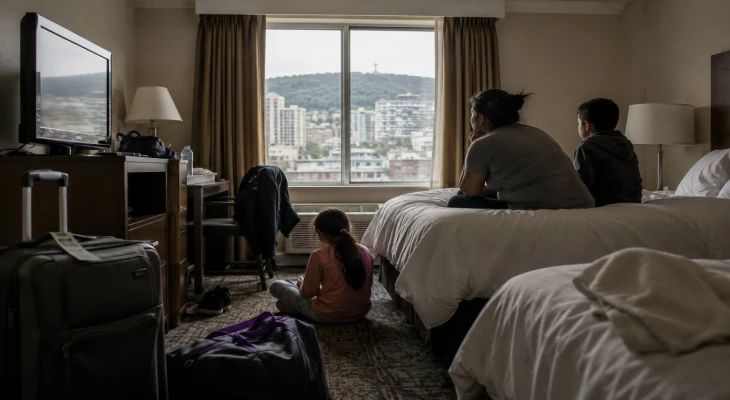
The housing affordability crisis in Montreal continues to cast a shadow over thousands of residents, as 71 families remain in emergency housing following the annual moving season on July 1st, a number nearly double that recorded in the same period last year.
These families are currently residing in hotels or temporary housing units funded by the city in cooperation with community organizations, after failing to find permanent housing with the end of lease contracts and the start of the new moving season.
This increase comes at a time when Montreal is witnessing a noticeable decline in housing affordability, with rents and housing prices continuing to rise at a pace beyond the ability of many families to keep up, despite a relative improvement in purchasing power indicators in some other Canadian markets.
Housing sector officials confirmed that emergency housing forms a temporary safety net that prevents affected families from becoming homeless, but it does not represent a permanent solution to the crisis, given the limited supply of affordable housing.
The city provides emergency accommodation free of charge for up to two months, while housing teams continue to work with families to find permanent housing, aiming to end their temporary stay within a few months whenever possible.
At the Quebec provincial level, more than 1,700 families receive government support to find suitable housing, including hundreds of families still living in temporary housing, reflecting the broad scope of the housing crisis outside Montreal as well.
Experts believe the current crisis goes beyond the seasonal pressures associated with moving day and reflects a structural problem characterized by rising rents, declining purchasing power, a shortage of social housing, along with limited options available to low-income families.
Experts also point out that a large portion of vacant housing units are offered at prices beyond the means of the most needy families, which reduces the impact of increased supply on addressing the actual crisis.
Those responsible for housing face increasing difficulty in finding permanent solutions for affected families, as the cost of renting housing in Montreal has become much higher than many beneficiaries can afford, leading to prolonged stays in temporary shelter programs.
Specialists confirm that addressing the crisis requires a significant increase in the construction of affordable and social housing, alongside policies that reduce pressures on tenants and maintain the availability of housing at prices compatible with family incomes, warning that the continuation of the current trend may lead to an increase in the number of families at risk of losing housing in the coming years.













Sunday, 12 July 2026
Loading...
--°C
--°C
- --%
- -- kmh
- --%