
Arab Canada News – News for the Arab Community in Canada
News
The opening of the Strait of Hormuz after the agreement with Iran faces the test of implementation and the return of oil flows
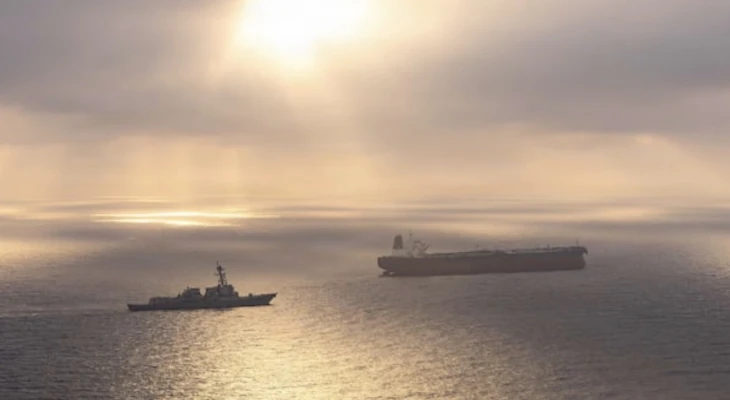
Trump orders halt to the US naval blockade, but restoring global energy movement may require complex security and logistical arrangements
Published: June 15, 2026
Washington —
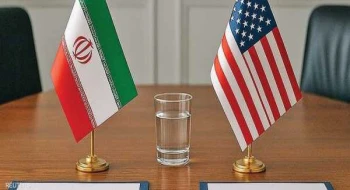
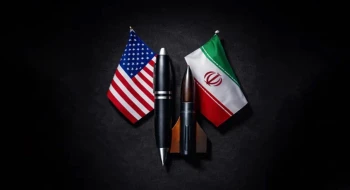
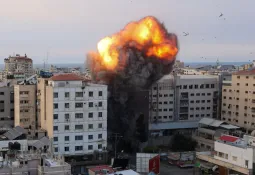
The announcement of an agreement to end the war between the United States, Israel, and Iran represents a first step towards broad regional calm, but the biggest challenge remains in implementing the agreement and restoring energy flows through the Strait of Hormuz in a safe and stable manner.
US President Donald Trump announced that he ordered an immediate halt to the US naval blockade on Iran, calling on ships to resume movement and the return of oil flow through the vital maritime passage.
The Strait of Hormuz is considered one of the most important energy arteries in the world, as huge quantities of oil and gas exports pass through it from the Gulf to international markets, so any disruption in it quickly reflects on energy prices, supply chains, and global inflation.
Despite the initial welcome in the markets to the announcement of the agreement, observers warn that navigation will not necessarily resume immediately, as shipping and energy companies will need clear security guarantees before returning ships to the normal route.
Potential challenges include inspecting the safety of maritime passages, ensuring the cessation of attacks or threats, coordinating the movement of accumulated ships, in addition to building sufficient trust among insurance and navigation companies.
The agreement is still in its first phase, while sensitive political and security files remain postponed to later negotiations, which makes the stability of energy markets linked to the extent of the parties' commitment to de-escalation.
While opening the strait may lead to lower oil prices and ease pressure on consumers and energy-importing economies, any breach or delay in implementation could quickly return tension to the markets.
The coming days remain decisive to know whether the agreement will translate into an actual and organized return of oil flows, or whether caution will continue despite the political announcement of the end of the war.









Monday, 15 June 2026
Loading...
--°C
--°C
- --%
- -- kmh
- --%