
Arab Canada News – News for the Arab Community in Canada
News
Preliminary agreement to end the war with Iran and Trump orders the halt of the US naval blockade
Understanding paves the way for reopening the Strait of Hormuz and establishing a ceasefire amid anticipation for testing implementation and official signing.
Published: June 15, 2026
Washington —
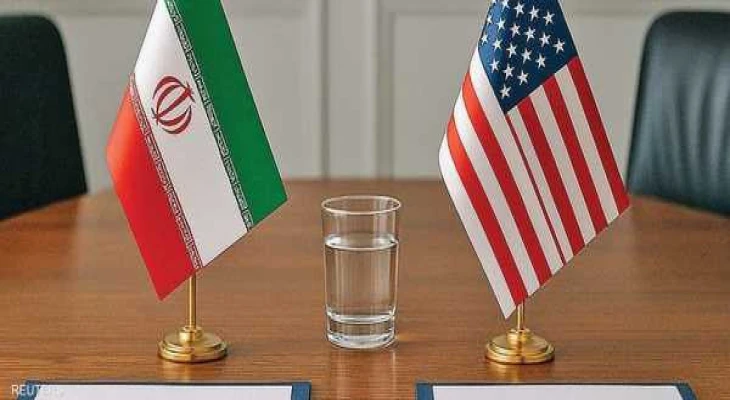
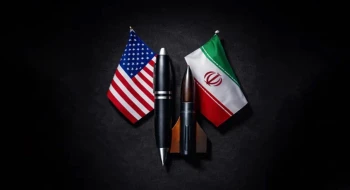
A preliminary agreement has been announced between the United States and Iran to end the war and open a new diplomatic path, in a development that could ease one of the most dangerous crises in the Middle East and energy markets in recent months.
US President Donald Trump said the agreement with Tehran was completed, announcing the end of the US naval blockade on Iran and allowing the opening of the Strait of Hormuz, one of the most important oil and gas passages in the world.
The announcement comes after indirect negotiations involving regional and international parties, most notably Pakistan and Qatar, aimed at stopping military operations and restoring navigation in the Gulf to normal.
According to the outlines of the agreement, a ceasefire will be established for a transitional period, and arrangements related to the Strait of Hormuz will be opened, with technical and political discussions to be completed before the expected official signing later this week.
Despite the importance of the announcement, several sensitive files remain postponed to a later stage, foremost among them the Iranian nuclear program, sanctions, verification mechanisms, and guarantees against returning to escalation.
Markets reacted positively initially, with oil prices falling and investors' risk appetite improving, hoping that the agreement will reduce pressure on global supplies.
However, the agreement remains fragile in its initial phase, as its success will depend on the practical implementation of the announced terms, stopping any military operations on the fronts related to the conflict, and ensuring freedom of navigation in the Strait of Hormuz.
The coming days are seen as a decisive test of the seriousness of both parties, especially since each side seeks to present the agreement domestically as a political gain, while the executive details will remain the decisive factor in determining whether the agreement will truly end the war or postpone a new round of tension.










Monday, 15 June 2026
Loading...
--°C
--°C
- --%
- -- kmh
- --%