
Arab Canada News – News for the Arab Community in Canada
News
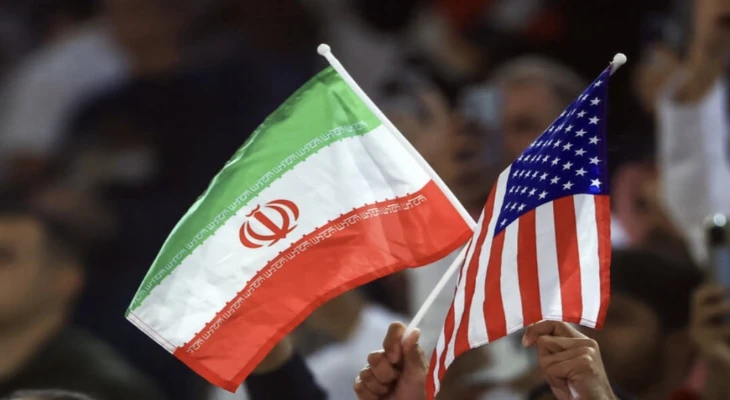
American-Iranian dispute over anticipated agreement terms amid disagreement on frozen assets and sanctions
Iranian leaks talk about economic and security understandings.. Washington confirms that any financial commitments will remain conditional on Tehran fully fulfilling its obligations
Published: June 12, 2026
Washington – Tehran —
New indicators have emerged of a gap in the American and Iranian narratives regarding the understandings being worked on between the two sides, after Iranian reports spoke of reaching understandings that include key economic and security files, while the American administration quickly denied some of what was circulated about the nature of these understandings and the mechanisms for their implementation.
The Iranian leaks sparked wide interest after indicating progress in a number of sensitive issues, including the future of frozen Iranian assets, regional navigation arrangements, and managing the next phase of negotiations related to the nuclear program.
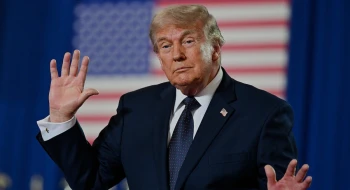
However, US President Donald Trump denied the accuracy of some of the circulated information about the agreement, confirming that the negotiations are still subject to political and security reviews and that what is being circulated does not necessarily reflect the final form of any potential understanding.
In the same context, US Vice President J.D. Vance emphasized that the United States has not agreed to the immediate release of any Iranian funds or assets, confirming that any easing of sanctions or any future financial measures will be directly linked to the extent of Iran’s commitment to fulfilling its obligations.
Vance said that the principle of “implementation for implementation” will remain the basis of any potential agreement, explaining that participation in meetings or signing preliminary understandings will not be sufficient to obtain frozen funds or assets before the United States verifies the fulfillment of the required commitments.
This position reflects the continued caution within the US administration towards any financial arrangements that could be interpreted as a prior concession to Tehran, especially amid the internal political debate about how to manage the Iranian file.
On the other hand, Tehran views the file of frozen assets and sanctions as one of the most important elements of any anticipated agreement, and sees that any political progress must be accompanied by tangible economic steps that allow for easing the pressures on the Iranian economy.
Observers believe that the current divergence does not necessarily mean the collapse of the negotiation track, but may be part of the negotiation process itself, where each party seeks to manage the political messages directed to its internal audience and regional allies.
With the continuation of indirect contacts and regional mediations, attention remains focused on whether these understandings will turn into an official, implementable agreement, or whether disagreements related to sanctions, frozen assets, and verification mechanisms will delay reaching a final settlement.
In any case, it seems that Washington and Tehran agree on the necessity of keeping the door to negotiations open, but they still differ on the political and economic price required to reach a comprehensive and sustainable agreement.









Friday, 12 June 2026
Loading...
--°C
--°C
- --%
- -- kmh
- --%