
Arab Canada News – News for the Arab Community in Canada
News
US intelligence assessment: Most of Iran's missile capabilities remain intact
Reports speak of thousands of missiles and underground facilities remaining despite the American and Israeli strikes
Published: May 18, 2026
Washington —
US intelligence estimates have revealed that Iran still retains a large part of its ballistic missile capabilities, despite the strikes targeting military sites and strategic facilities during the recent war.
According to the assessments, about 70% of the Iranian missile stockpile that existed before the war was not destroyed, while Tehran has regained the ability to access most of its strategic missile sites.
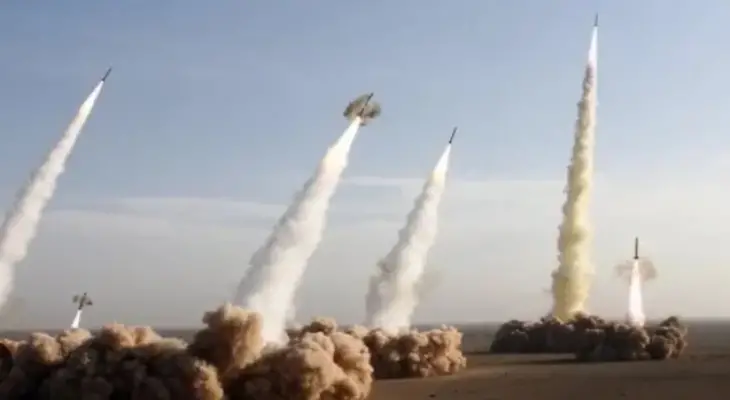
Information indicates that Iran still possesses thousands of short- and medium-range ballistic missiles, in addition to ongoing operational capability in a large number of fortified underground facilities.
These sites are particularly concentrated along the Strait of Hormuz, which keeps the threat active against US warships and military bases spread across the region.
Despite US Secretary of Defense Pete Hegseth's assurances that the Iranian arsenal has been extensively depleted, intelligence estimates indicate that a large number of missile sites are still at least partially operational, thanks to Iran’s reliance on a wide network of tunnels, underground facilities, and mobile launch platforms.
Estimates suggest that Tehran has retained about 70% of its mobile launch platforms, giving it the ability to launch missiles even from sites that were bombed or partially disabled.
Military reports also suggest that some missiles stored inside targeted facilities are still usable or can be extracted and redeployed.
These estimates reflect the complexity faced by the United States and Israel in attempting to undermine Iran’s missile program, especially since a large part of Iran’s military infrastructure was designed to operate under conditions of war and intensive air strikes.
Meanwhile, Tehran has tried in recent months to demonstrate that its military capabilities have not been completely crippled, by displaying models of its missiles and defense systems at military exhibitions inside the Iranian capital.
Observers believe that the continued existence of these missile capabilities increases the fragility of the current ceasefire and keeps the possibilities of military escalation alive, especially in the Gulf region and the Strait of Hormuz, which represents one of the most important oil passages in the world.













Wednesday, 03 June 2026
Loading...
--°C
--°C
- --%
- -- kmh
- --%