
Arab Canada News – News for the Arab Community in Canada
News
Stalemate in Washington-Tehran negotiations ahead of Trump's visit to China
Disputes over nuclear, Hormuz, and sanctions hinder the agreement despite ongoing indirect communications
Published: May 11, 2026
Washington —
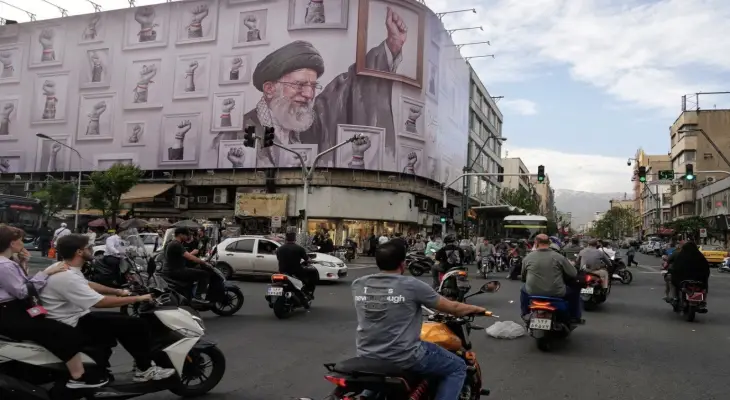
Negotiations between the United States and Iran have entered a deadlock phase as US President Donald Trump's visit to China approaches, amid ongoing disagreements over Iran's nuclear program and de-escalation in the Gulf.
Reports say the two sides are still exchanging proposals through indirect channels, but without achieving a decisive breakthrough, while Washington insists on strict restrictions on Iran's nuclear program, and Tehran demands the lifting of sanctions and an end to the military and naval pressures imposed on it.
The deadlock comes while the fragile truce in the region remains in place, despite continued tensions in the Strait of Hormuz and sporadic attacks that have kept the risk of military escalation alive.
The Trump administration seeks to prevent Iran from acquiring a military nuclear capability, while maintaining economic and military pressure to push it towards an agreement with stricter American terms.
In contrast, Iran sees Washington as trying to impose an agreement that limits its influence and strategic capabilities without providing sufficient guarantees regarding sanctions or the security of navigation and energy.
Trump's visit to China gains additional importance at this time, given the economic and political role Beijing plays in the relationship with Tehran, as one of Iran's most important partners and oil importers.
Observers believe that the continuation of the deadlock increases the fragility of the situation in the Gulf, especially with the Strait of Hormuz remaining under security and military pressure, and what that represents as a threat to energy markets and global trade.










Thursday, 04 June 2026
Loading...
--°C
--°C
- --%
- -- kmh
- --%