
Arab Canada News – News for the Arab Community in Canada
News
Rising interest rates hit homebuyers in America as the bond market declines due to the war
Energy price surge revives inflation fears and pushes mortgage rates to their highest levels in months
Published: May 22, 2026
Washington —
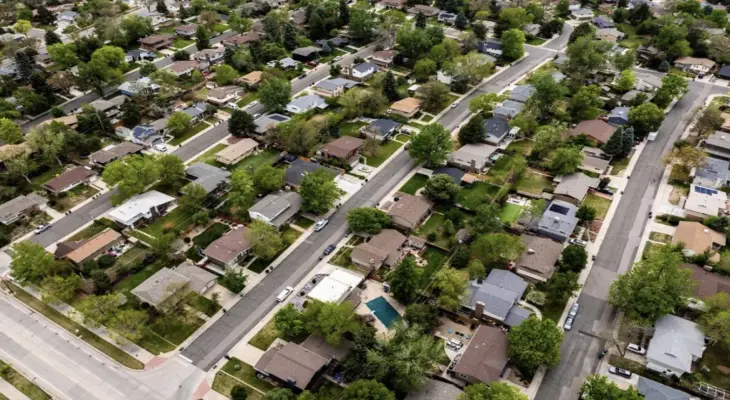
Homebuyers in the United States are facing increasing pressure as mortgage rates rise again, after the oil price shock related to the war with Iran led to a decline in the bond market and higher yields.
The average interest rate on 30-year fixed-rate mortgages reached about 6.51%, the highest level since August, while the yield on 10-year US Treasury bonds rose to nearly 4.6%, with market expectations that it could reach 5%.
US bond yields are a key benchmark for pricing mortgage loans, so their rise usually leads to higher borrowing costs for buyers.
These developments come after high oil prices pushed inflation expectations up, reducing investors' bets on a near-term rate cut by the Federal Reserve, and increasing expectations that the central bank may have to raise rates later if price pressures persist.
This environment represents a new blow to the US housing market, which is still suffering from the post-pandemic phase, when millions of homeowners obtained loans with very low interest rates, making them less willing to sell and move to new homes with higher rates.
As a result, supply remained limited in many markets, while new buyers face high home prices and higher financing costs, prompting many to delay buying or stay in the rental market.
Market data indicate that about half of US homeowners have loans with interest rates of 4% or less, which reinforces the so-called “mortgage lock-in” phenomenon, where owners prefer not to sell to avoid losing their old low rates.
Despite some signs of limited improvement, such as an increase in pending contracts and new listings, demand remains historically weak, and the pace of completed transactions is still much lower than pre-pandemic levels.
Mortgage sector workers say the recent rate increase halted a recovery that had begun to appear earlier this year, as potential buyers became hesitant again amid rising talk about gasoline prices, inflation, and interest rates.
High fuel prices also weigh on consumer confidence, as the cost of energy, housing, and inflation have become among the biggest financial concerns for American households.
The US administration is trying to find tools to reduce mortgage costs and support homebuying ability, but the ability of government policies to lower rates remains limited as long as markets continue to price in higher inflation and greater financial risks.
The current crisis reveals a clear split in the US real estate market: long-time owners have benefited from rising home values and cheap loans, while new buyers find themselves facing a much higher entry threshold.
With rates continuing to rise, the risk grows that a large segment of Americans will remain outside the ownership market, at a time when experts say the dream of buying a home has become more difficult for an entire generation of buyers.













Wednesday, 03 June 2026
Loading...
--°C
--°C
- --%
- -- kmh
- --%