
Arab Canada News – News for the Arab Community in Canada
News
High gasoline prices mask weak consumer spending in Canada
Retail sales continue to rise in monetary value while actual quantities reveal a slowdown in real demand
Published: May 22, 2026
Ottawa —
Retail sales in Canada continued to rise in April, following a strong performance in the first quarter, but the data indicate that the sharp jump in gasoline prices has begun to consume an increasing portion of household budgets and pressure spending in other sectors.
Preliminary estimates showed retail sales increased by 0.6% in April, after a 0.9% rise in March, a reading that exceeded economists' expectations.
During the first quarter, retail sales rose by 2.1%, marking the seventh consecutive quarter of growth, compared to an increase of only 0.4% in the last quarter of 2025.
However, the picture looks weaker when looking at actual volumes rather than the monetary value. Despite the increase in sales in the first quarter, fuel prices played a major role in inflating the numbers, especially in March.
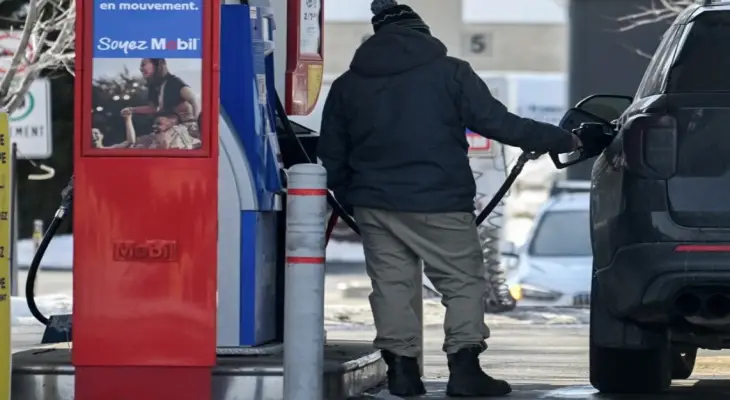
Sales at gas stations and energy suppliers jumped by 12.4%, while volumes sold in the same sector declined by 1.9%, meaning consumers paid more for less consumption.
Excluding fuel, retail sales declined by 0.2% in March, indicating that rising gasoline prices have started to crowd out spending on other goods and services.
Car and parts sales also fell by 0.5%, while core retail sales, which exclude fuel and cars, decreased by 0.1%.
Building materials and garden supplies stores recorded a 2.9% decline, while general merchandise stores sales dropped by 0.5%, marking their first decline in three months.
In contrast, food and beverage stores achieved the best performance among core sales, rising by 0.5%, driven by grocery and supermarket sales.
On a volume basis, total retail sales fell by 0.7% in March, reflecting weak real demand despite higher dollar revenues.
These figures indicate that Canadian households are facing a double pressure: rising fuel and transportation costs on one hand, and reduced discretionary spending capacity on the other.
Economists believe that continued high gasoline prices may lead to a greater slowdown in consumer spending during the second quarter, even if the monetary figures for retail sales appear strong on the surface.
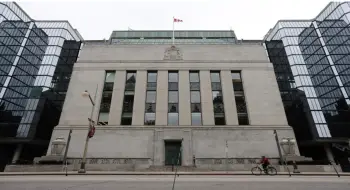
For the Bank of Canada, the data do not change the fundamental picture: the local economy shows signs of weakness, especially in the labor market and consumer demand, while inflationary pressures remain driven by energy and transportation.
Therefore, analysts expect the central bank to keep the interest rate unchanged for now, awaiting to see whether the fuel price shock is temporary or will spread to broader sectors of the economy.












Wednesday, 03 June 2026
Loading...
--°C
--°C
- --%
- -- kmh
- --%