
Arab Canada News – News for the Arab Community in Canada
News
Gulf countries move to secure energy exports away from the Strait of Hormuz
Strategic plans for alternative pipelines amid escalating geopolitical risks
Published: April 2, 2026
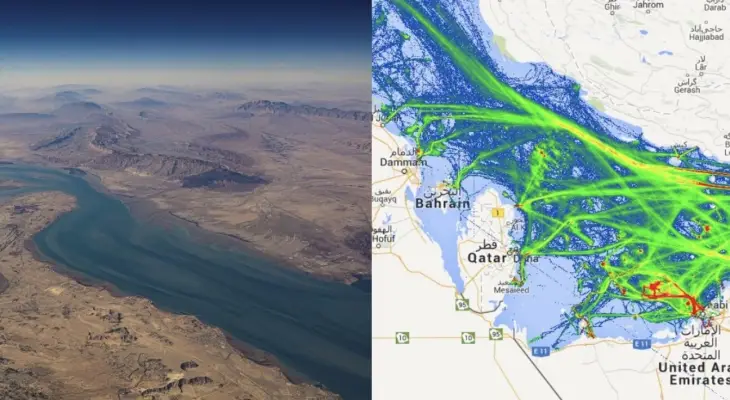
Gulf countries are increasingly studying the establishment and expansion of pipeline networks for transporting oil and gas, as part of a strategic move aimed at reducing dependence on the Strait of Hormuz, which has become a high-risk choke point amid ongoing military escalation in the region.
This trend comes after recent developments revealed the fragility of traditional supply chains, as navigation disruptions in the strait threatened the flow of a large portion of global energy exports, prompting producing countries to reassess their infrastructure and capacity to handle crises.
Current trends indicate that the options on the table are not limited to expanding existing lines but also include developing new routes linking oil fields to ports outside the Gulf, allowing oil exports through alternative outlets on the Red Sea or the Arabian Sea, away from areas of tension.
These plans also reflect a broader shift in the strategic thinking of the region's countries, based on diversifying export routes and enhancing operational flexibility, instead of relying on a single maritime passage that represents a vital artery but is highly sensitive to political and military fluctuations.
This comes at a time when some countries are already operating at the maximum capacity of alternative pipelines, highlighting the need for new investments capable of accommodating current and future production volumes, especially with the continued global demand for energy.
These moves carry both economic and security dimensions simultaneously, aiming to protect export revenues on one hand and reduce exposure to geopolitical risks on the other, in a regional environment characterized by high levels of uncertainty.
If implemented, these plans would redraw the map of energy flows in the region and give Gulf countries greater control over their export routes, enhancing supply stability and limiting the impact of future crises on global markets.








Sunday, 19 July 2026
Loading...
--°C
--°C
- --%
- -- kmh
- --%