
Arab Canada News – News for the Arab Community in Canada
News
Ceasefire between Israel and Lebanon: Fragile calm amid unstable deterrence balance
A temporary agreement halts the escalation but does not address the roots of the conflict on the northern border
Published: April 16, 2026
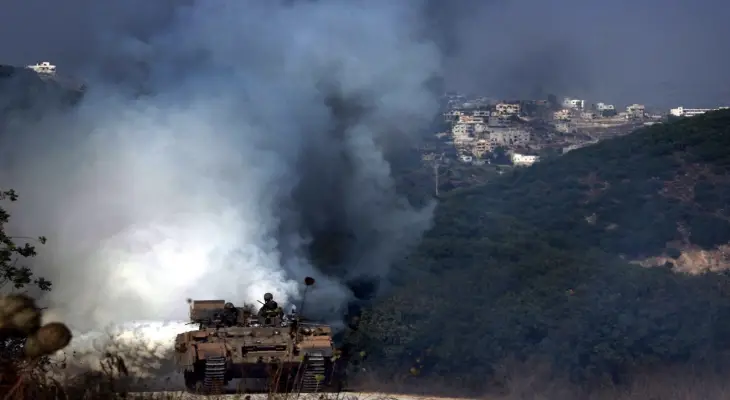
The ceasefire between Israel and Lebanon came into effect after weeks of military escalation along the border, in a move aimed at containing the confrontation and preventing it from slipping into a wider war. However, field and political indicators suggest that the calm remains temporary and fragile.
Calm under pressure
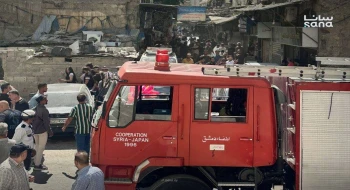
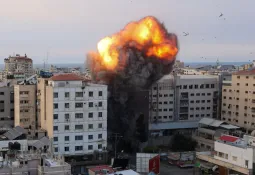
The agreement came as a result of intense international pressure seeking to stop the exchange of strikes, which included artillery shelling, air raids, and reciprocal missile attacks, leading to widespread displacement of populations on both sides of the border and destruction of parts of the infrastructure in southern Lebanon and northern Israel.
Despite the parties' commitment to calm in the initial phase, the absence of a comprehensive political agreement makes the ceasefire more of a tactical measure than a permanent settlement.
Fragile deterrence balance
The recent developments reflect a delicate deterrence equation between the two sides, where each side seeks to avoid a full-scale war while maintaining the ability to respond militarily.
This balance limits the chances of major escalation in the near term, but keeps the door open for limited confrontations or localized operations that could quickly reignite tensions.
Absence of radical solutions
The agreement does not address the fundamental issues behind the tension, such as the spread of weapons in southern Lebanon, the undeclared rules of engagement, or the close link between the Lebanese front and broader regional developments, especially the ongoing war in the Middle East.
The continued presence of irregular armed forces near the border also undermines any attempt to establish long-term stability.
Risks of returning to escalation
Under these circumstances, the ceasefire remains vulnerable to collapse at the first major security incident or miscalculation, especially with the high level of military readiness on both sides.
Any development in other arenas in the region may also directly affect the Lebanese front, reinforcing the regional nature of the conflict.
Uncertain transitional phase
The current agreement represents a transitional phase aimed at buying time and containing escalation, but it does not rise to the level of a final settlement, making stability dependent on complex external and internal factors.
Amid ongoing regional tensions, the border between Israel and Lebanon appears likely to remain in a state of “cautious calm,” where any spark could reignite the confrontation at any moment.









Sunday, 19 July 2026
Loading...
--°C
--°C
- --%
- -- kmh
- --%