
Arab Canada News – News for the Arab Community in Canada
News
Canada enters technical recession after economic growth stalls in the first quarter
Contraction for two consecutive quarters puts the economy under pressure from US tariffs, declining investment, and weak business activity
Published: May 29, 2026
Ottawa —
The Canadian economy has entered a technical recession after recording a contraction for the second consecutive quarter, a new indicator of slowing economic activity amid increasing trade and financial pressures.
Data from Statistics Canada showed that the economy was unable to achieve real growth in the first quarter, following a previous decline in the last quarter of last year, placing Canada within the technical definition of a recession based on two consecutive quarters of contraction.
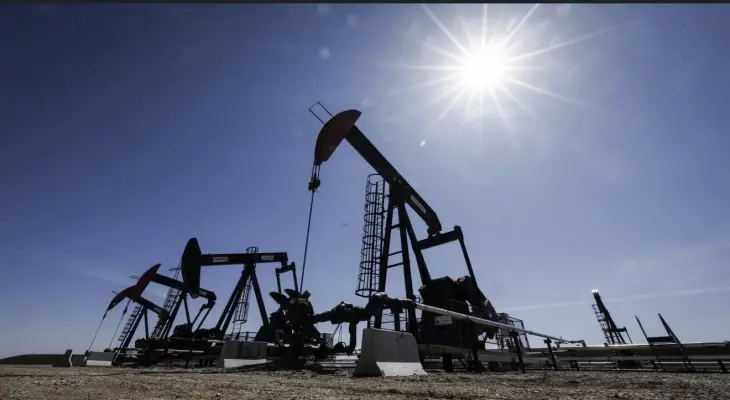
The performance was weaker than analysts' expectations, who had anticipated limited growth at the start of the year, but it was affected by a decline in business investment, weak corporate spending, and ongoing uncertainty related to US tariffs and foreign trade.
Export and manufacturing sectors were harmed by slowing demand and disruptions in trade relations with the United States, Canada’s largest trading partner, while rising borrowing costs and inflationary pressures increased corporate caution in expansion and hiring.
Despite continued consumer spending, household strength was not sufficient to offset weak investment and declining activity in key sectors.
The technical recession comes at a time when the Bank of Canada faces a difficult balance between supporting the slowing economy and maintaining price stability, especially with ongoing energy and food pressures and fluctuating inflation expectations.
A technical recession does not necessarily mean the economy is entering a full crisis, but it represents a clear signal of lost economic momentum, especially if accompanied by rising unemployment, weak productivity, and declining business and consumer confidence.
Preliminary estimates indicate a possible limited improvement in April, driven by some activity in the resource and manufacturing sectors, but the recovery path remains fragile and linked to developments in trade with the United States, energy prices, and the ability of companies to resume investment.
This development places Mark Carney’s government before a sensitive economic test, as pressures increase to deliver policies capable of supporting growth, stimulating investment, and protecting jobs, without igniting a new wave of inflation.













Thursday, 04 June 2026
Loading...
--°C
--°C
- --%
- -- kmh
- --%