
Arab Canada News – News for the Arab Community in Canada
News
Bread and chicken are among the most notable grocery price increases in Canada despite the overall slowdown in inflation
Food prices in stores are rising at a pace exceeding inflation for the seventeenth consecutive month, keeping household bills under pressure
Published: July 21, 2026
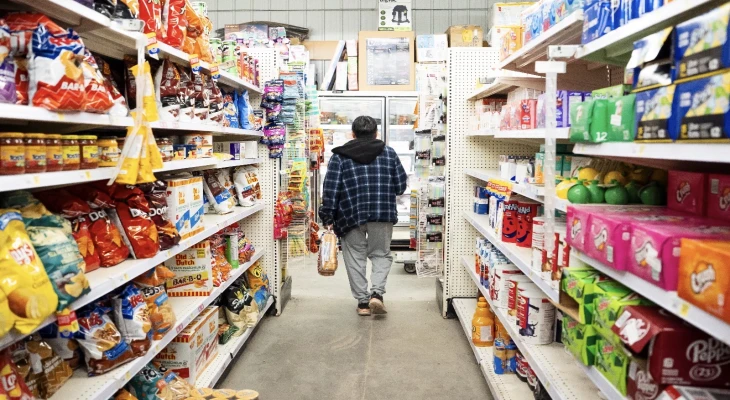
Food prices in Canadian grocery stores continued to rise at a pace exceeding the overall inflation rate, despite a slowdown in price pressures during June, indicating that the improvement in the general index has not fully reflected on daily shopping bills.
Data from Statistics Canada showed that prices for food purchased from stores increased by 3.9% in June compared to the same month last year, after an annual increase of 4.3% in May.
At the same time, the overall inflation rate in Canada fell to 2.8% in June, compared to 3.2% in May. Thus, grocery inflation has exceeded the overall inflation rate for the seventeenth consecutive month. (Statistics Canada)
Bread rises by 6%
Bread and rolls prices were among the main sources of upward pressure on the food bill, having risen by 6% year-over-year.
This increase is particularly significant because bread products are basic and frequent items in most households' purchases, so their price rise quickly appears in consumers' weekly budgets.
However, the data does not necessarily mean that bread recorded the highest increase among all grocery products; rather, it was among the products that limited the slowdown in food inflation during the month. (Statistics Canada)
Notable increase in chicken prices
Consumers paid 5.7% higher prices for fresh or frozen chicken in June compared to the same month last year.
Chicken represents a staple option for many households and is usually seen as a less expensive alternative to some other types of meat. Therefore, its price increase may lead consumers to reduce quantities, wait for discounts, or turn to lower-priced brands. (Statistics Canada)
Frozen food products become more expensive
Prices of frozen food products rose by 2.7% year-over-year.
This category includes a range of ready and frozen products that some households rely on to save time and ease meal preparation. Although the increase was less than that recorded for bread and chicken, it adds to other rises affecting a number of basic and processed food products. (Statistics Canada)
Slowing rise in fruit prices
Conversely, the slowdown in fresh fruit price increases contributed to limiting grocery inflation during June.
Fresh fruit prices rose by 1.7% year-over-year, with a 0.6% decline in grape prices being one of the main factors behind the slowdown in this category. (Statistics Canada)
A decrease in the price of a specific product does not mean that the cost of the entire fruit and vegetable basket has declined, but it provided some relief compared to the increases recorded in other food categories.
Slowing inflation does not mean price decreases
It is important to distinguish between slowing inflation and actual price decreases.
The decline in grocery inflation from 4.3% in May to 3.9% in June does not mean that food has become cheaper; rather, it means that prices are still higher than last year but are rising at a slower pace.
The same applies to overall inflation, which fell from 3.2% to 2.8%. The figure measures the speed of price increases, not a return to the levels before the recent wave of price hikes. (Statistics Canada)
Therefore, consumers may continue to feel the rising cost of living even when official data indicates slowing inflation, because new increases add to cumulative rises that occurred over past years.
Grocery bills remain under pressure
The continuation of grocery inflation above the overall inflation rate means that food remains one of the most pressing expenditure items on Canadian household budgets, especially for families that allocate a large portion of their income to basic purchases.
Continued high prices may lead some consumers to buy smaller quantities, compare prices between stores, rely more on promotions, choose store brands, or replace some products with less expensive options.
Although June data showed a relative easing in the pace of price increases, the rising cost of essential goods such as bread and chicken confirms that the food affordability crisis is not over yet.
Source: Statistics Canada, Consumer Price Index for June 2026.
This version is more accurate than the original and closer to professional news style, as well as being less repetitive and safer in terms of the ratio of information to its source.












Tuesday, 21 July 2026
Loading...
--°C
--°C
- --%
- -- kmh
- --%