
Arab Canada News – News for the Arab Community in Canada
News
American report: Iran transferred military aircraft to Pakistan and civilian ones to Afghanistan fearing strikes
Washington monitors secret Iranian air movements amid fragile truce and Trump's rejection of Tehran's proposal to end the war
Published: May 18, 2026
Washington —
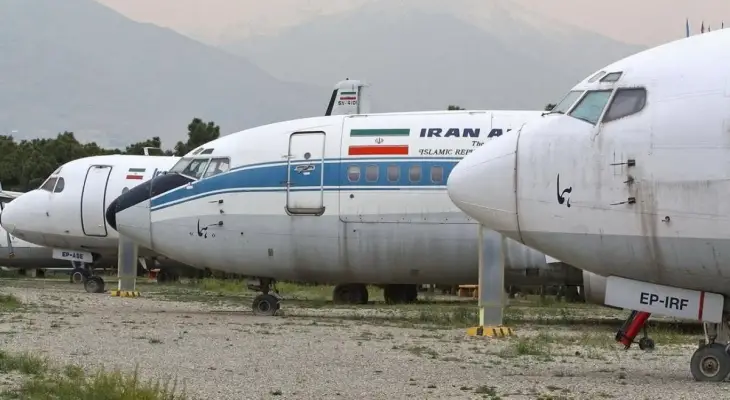
American reports, citing officials familiar with national security files, revealed that Iran transferred military aircraft to airbases in Pakistan, in a move believed to aim at protecting part of its air assets from potential American strikes.
According to the officials, a number of Iranian aircraft were transferred days after the announcement of a ceasefire in early April, including an RC-130 reconnaissance plane, an intelligence version of the military transport aircraft C-130.
The reports stated that the planes landed at Nur Khan Airbase near Rawalpindi, a Pakistani military base located in a sensitive area near the capital Islamabad, while Pakistan was publicly presenting itself as a mediator between Washington and Tehran.
A senior Pakistani official denied these accusations, saying that the base is located in an open urban area, and that hiding a large number of aircraft there is unrealistic.
In a parallel track, American officials said that Iran also transferred some civilian aircraft to Afghanistan. An Afghan aviation official reported that a plane belonging to Mahan Air arrived in Kabul before the outbreak of the war, then was later transferred to Herat near the Iranian border after tensions escalated.
However, the Taliban spokesperson denied the presence of Iranian planes inside Afghanistan, affirming that Tehran does not need to take such steps.
This information comes at a time when Pakistan is trying to maintain a delicate balance between its role as a mediator in indirect communications between Iran and the United States, and its close security and economic relations with China, the most prominent international supporter of Tehran.
Washington views this role cautiously, especially given Pakistan’s increasing military reliance on China in recent years, making the Iranian crisis part of a broader regional and international scene where American and Chinese influence intersect.
Meanwhile, negotiations between Washington and Tehran remain stalled after US President Donald Trump rejected the latest Iranian proposal to end the war, which included, according to Iranian reports, demands for war reparations, recognition of Iranian sovereignty over the Strait of Hormuz, and lifting economic sanctions.
Trump described the proposal as “completely unacceptable,” without specifying the terms that led Washington to reject it, which increased the fragility of the ceasefire that remains theoretically in place amid limited clashes in the Gulf.
These developments coincide with Trump’s preparations to visit Beijing, where the Iranian file is expected to be strongly present in his talks with Chinese President Xi Jinping, alongside trade and Taiwan issues.
On the ground, signs of escalation continued near the Strait of Hormuz, after attacks targeted American and commercial ships, and American strikes targeted Iranian sites and ports on the coast, in addition to Emirati accusations of attacks on its territory by Iranian drones.
The movements of the Iranian aircraft, if confirmed, reflect Tehran’s attempt to protect what remains of its air capabilities amid ongoing military pressures, while Washington continues to keep its options open between negotiation and escalation.













Wednesday, 03 June 2026
Loading...
--°C
--°C
- --%
- -- kmh
- --%