
Arab Canada News – News for the Arab Community in Canada
News
A 14-point US-Iranian agreement paves the way for ending the war and launching a new negotiation phase
Comprehensive halt to military operations, reopening of the Strait of Hormuz, and economic and security understandings paving the way for a broader final agreement
Published: June 17, 2026
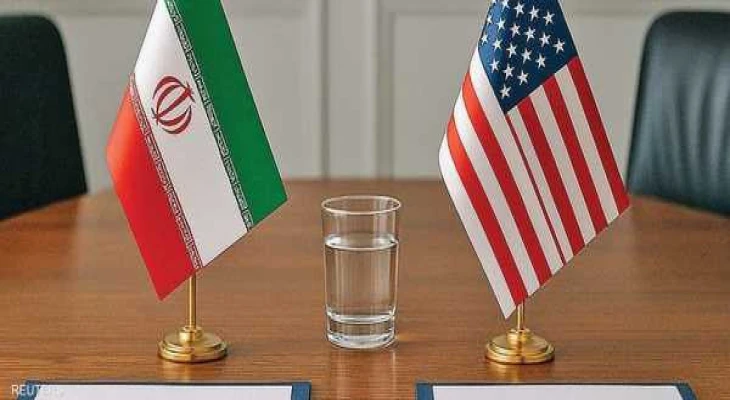
An interim agreement has been announced between the United States and Iran consisting of 14 main points, in a step aimed at ending the recent military confrontation and opening the door to a new phase of political, security, and economic negotiations between the two parties.
The agreement provides for a comprehensive ceasefire between the two sides, ending confrontations related to the regional conflict, including stabilizing the calm on the fronts affected by the war and preventing any new escalation during the transitional phase.
The agreement also includes reopening the Strait of Hormuz fully to international navigation and ending restrictions on maritime shipping, allowing the resumption of oil flow and trade through one of the most strategic passages in the world.
The points also include launching a negotiation track lasting several weeks aimed at addressing outstanding issues between Washington and Tehran, foremost among them the Iranian nuclear program, economic sanctions, and monitoring and inspection mechanisms.
According to the initial understandings, Iranian oil exports will resume normally, with temporary economic facilities and measures aimed at easing pressure on the Iranian economy during the negotiation period.
The agreement also provides for the gradual release of part of the frozen Iranian assets and preparing the necessary conditions for the broader reintegration of the Iranian economy into global markets if a comprehensive final agreement is reached.
The agreement also includes mutual commitments not to take new escalatory steps during the transitional phase, including refraining from imposing additional sanctions or conducting military operations that could lead to the collapse of the existing understandings.
Observers see the agreement as an important diplomatic breakthrough after months of military escalation and regional tension, but it does not constitute a final solution to the contentious issues between the two countries; rather, it establishes a new negotiation phase that will determine the future of relations between Washington and Tehran.
Despite the broad international welcome of the agreement, its success will remain contingent on the parties' commitment to implementing its provisions on the ground and transforming the interim understanding into a permanent agreement that comprehensively addresses security, nuclear, and economic issues and ensures long-term regional stability.












Wednesday, 17 June 2026
Loading...
--°C
--°C
- --%
- -- kmh
- --%