
Arab Canada News – News for the Arab Community in Canada
News
Vance's sharp attack opens the door to questions about the extent of the disagreement between Trump and Netanyahu
Rising US-Israeli tension over the agreement with Iran, the Lebanon file, and the limits of military force usage
Published: June 18, 2026
American-Israeli relations are witnessing one of their most tense phases in years, against the backdrop of escalating disagreements over the recent American-Iranian agreement, the future of the ceasefire in Lebanon, and the way security files are managed in the Middle East.
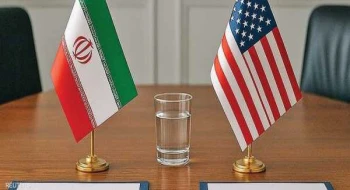
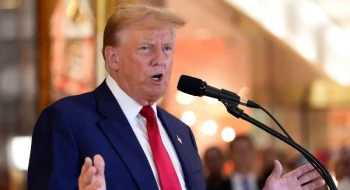
The direct spark for the dispute came after the American-Iranian understandings, which Benjamin Netanyahu's government considered a serious concession giving Tehran an opportunity to reorganize its cards, while President Donald Trump's administration views the agreement as a strategic achievement that ended the military confrontation and reduced the risk of slipping into a wide regional war.
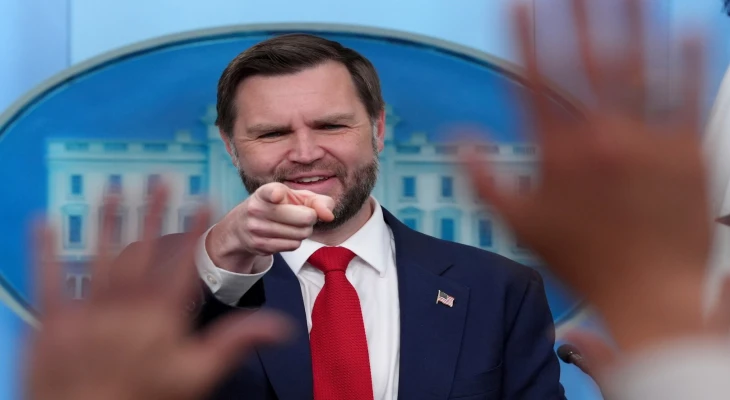
Tensions escalated after sharp criticisms directed by U.S. Vice President J.D. Vance at ministers in the Israeli government, affirming that Trump is Israel's strongest remaining ally, and pointing out that a large part of the defense systems that protected Israel in recent months were made and funded by the U.S.
Vance also criticized the positions of far-right ministers Itamar Ben Gvir and Bezalel Smotrich, saying that Israel cannot solve all its security problems by killing more people, in a tone described as unprecedented from a senior American official towards the Israeli government.
The disagreement is not limited to Iran, as Washington seeks to stabilize the ceasefire in Lebanon and turn it into a permanent settlement, while Netanyahu insists on retaining a security zone inside southern Lebanon and not withdrawing Israeli forces without full security guarantees.
These developments indicate a broader divergence between Washington and Tel Aviv on three main files: containing Iran through a political agreement, ending the war in Lebanon, and setting limits on the use of military force when it does not lead to clear political results.
Although no official American threat has been issued, Israeli circles spoke of implicit messages related to the possibility of using the military aid card or slowing the flow of weapons if Israel continues to challenge the White House's directions.
The current crisis does not mean that the United States has abandoned Israel, as military and intelligence cooperation remains strong, but it reveals that the Trump administration has become more willing to prioritize American interests when it sees a conflict between them and the calculations of the Israeli government.
Thus, the question is no longer limited to the existence of a disagreement between Washington and Tel Aviv, but whether this disagreement will remain within the limits of political divergence, or whether it will lead to a broader redefinition of Israel's role within the new American strategy in the Middle East.










Friday, 19 June 2026
Loading...
--°C
--°C
- --%
- -- kmh
- --%