
Arab Canada News – News for the Arab Community in Canada
News
Rich in homes and poor in liquidity.. When is reverse mortgage a suitable option?
A financial product allows Canadians over 55 years old to convert part of the value of their homes into cash, but it may consume most of the accumulated equity over time.
Published: July 12, 2026
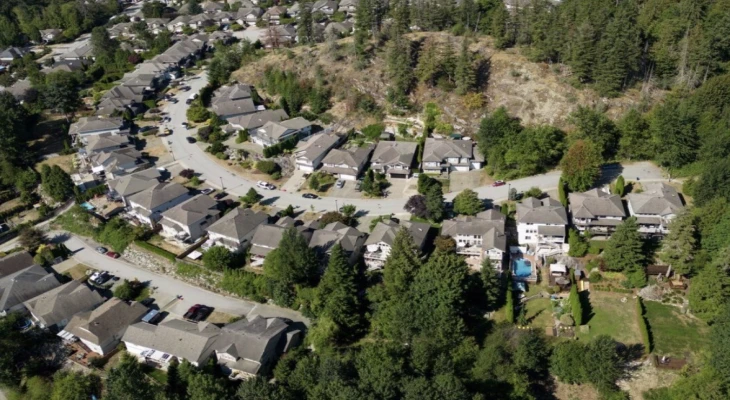
Rising living costs and retirement pressures have reopened the discussion in Canada about reverse mortgages, a financial product that allows seniors to benefit from part of the value of their homes without the need to sell or move, but it carries high costs and long-term risks that must be carefully understood before making a decision.
This type of financing targets homeowners aged 55 or older who own high-value properties but suffer from a lack of liquidity or limited monthly income.
Under a reverse mortgage, the homeowner can receive up to 55% of the accumulated equity in the property, either as a lump sum or periodic payments, without these funds being treated as taxable income.
Unlike a traditional mortgage, the borrower is not required to make regular monthly payments. Instead, the principal and interest accumulate over time and are repaid when the home is sold, the owner moves out, or passes away.
In the event of the homeowner's death, the repayment responsibility transfers to the estate, meaning the outstanding debt is deducted from the sale proceeds of the property before distributing the remainder to the heirs.
The homeowner retains legal ownership of the property throughout the loan term and cannot be forced to leave as long as they comply with basic conditions, such as paying property taxes, maintaining insurance, and not allowing the home to deteriorate in a way that reduces its value.
Canadian regulations also provide protection for the borrower from owing more than the market value of the home, which limits the risk of additional debts being passed on to heirs.
However, cost remains a key factor in the decision, as interest rates on reverse mortgages are usually two to three percentage points higher than traditional mortgage rates, in addition to appraisal fees, legal consultation, closing costs, and possible penalties for early repayment.
With interest accumulating over the years, a significant portion of the home equity can be eroded, making the product less suitable for those who wish to preserve the property's value for their children or heirs.
Financial planners see reverse mortgages as potentially suitable for someone who wants to stay in their home throughout retirement and does not prioritize leaving the property or most of its value as part of the estate.
This financing can help seniors cover living expenses, make necessary modifications to make the home more accessible and safe, pay for care costs, or support children and grandchildren during their lifetime instead of waiting to transfer money through inheritance.
On the other hand, experts warn against using the funds to finance an unsustainable lifestyle or ongoing recreational spending, as this type of loan is difficult to reverse after interest and fees have accumulated.
Downsizing is not always a practical option, especially if less expensive properties are not available in the same area, or if moving would distance the person from their social support network, medical services, and the community they have lived in for decades.
However, there may be less costly alternatives for some homeowners, such as selling the property and moving to a smaller unit, or using a home equity line of credit for those who still have sufficient income, as these options usually offer lower interest rates and greater repayment flexibility.
Traditional refinancing may also be an option in some cases, but it requires ongoing ability to pay installments and proof of income, which many retirees may not have.
Specialists emphasize the need to study the full impact of a reverse mortgage on income, cash flow, taxes, inheritance, and future ability to move to another residence.
The decision is not only about obtaining quick money but also about how the remaining home value changes over the years and the homeowner's ability to bear maintenance, tax, and insurance costs throughout the loan term.
Ultimately, a reverse mortgage can be a useful tool for a specific group of seniors who own high-value homes and wish to stay in them but need liquidity to improve their living standards.
For those keen on protecting the full value of the property or who have cheaper financing alternatives, other options may be more suitable and less costly in the long term.











Sunday, 12 July 2026
Loading...
--°C
--°C
- --%
- -- kmh
- --%