
Arab Canada News – News for the Arab Community in Canada
News
Expectations of rising gasoline prices in Greater Toronto as the détente between Washington and Tehran collapses
Rising tensions in the Gulf push oil prices up and increase pressure on drivers in Canada amid fears of global supply disruptions
Published: July 8, 2026
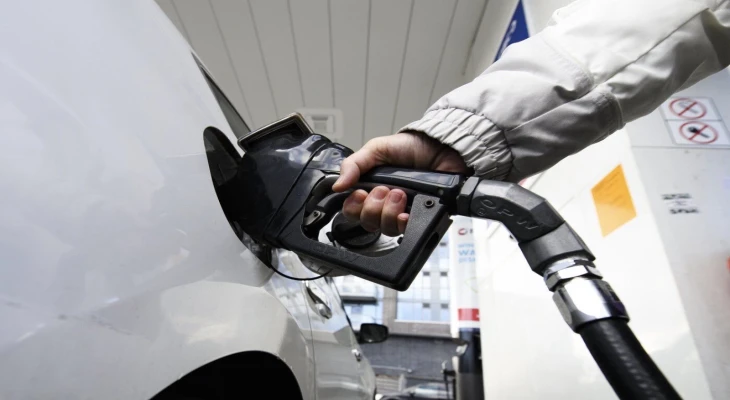
Gasoline prices in the Greater Toronto Area are expected to see a new increase in the coming days, with global oil prices rising following US President Donald Trump's announcement that the ceasefire with Iran is "over."
This development comes at a time when tensions in the Gulf region have resurfaced, after reports of oil tankers being targeted in the Strait of Hormuz, one of the most important maritime routes for energy transport in the world, increasing fears of potential supply disruptions and higher fuel costs.
Oil prices have risen significantly amid growing market concerns, as increases in crude prices usually quickly reflect on the gasoline prices consumers pay at fuel stations, especially in major markets like Ontario and the Greater Toronto Area.
According to estimates by energy sector analysts, the expected increase may be around a few cents per liter in the initial phase, but it remains linked to geopolitical developments and the direction of oil prices in the coming hours and days.
The average price of regular gasoline in Canada has surpassed the level of $1.60 per liter, with new increases recorded compared to the previous day, indicating how quickly the local market is affected by international energy price fluctuations.
Concerns escalated after Washington announced tightening restrictions on the sale of Iranian oil, coinciding with US threats of additional strikes if Tehran continues what the United States considers violations of previous agreements.
The Strait of Hormuz is a sensitive point in the global energy market, as large quantities of oil and gas pass through it to international markets. Any threat to navigation there immediately raises the level of concern among investors, shipping companies, and refineries.
For drivers in the Greater Toronto Area, the impact of these developments may quickly appear on price boards at fuel stations, even though Canada does not directly rely on Iranian oil, because oil and gasoline prices are influenced by the global market, not just the local supply source.
Observers believe that continued tension between the United States and Iran may keep fuel prices under pressure, especially if attacks expand, restrictions on oil exports increase, or shipping movements in the Gulf are disrupted.
If the confrontation calms down and diplomatic communications resume, market pressures may ease, but the current uncertainty makes gasoline prices susceptible to further short-term fluctuations.
This potential increase comes at a time when residents of the Greater Toronto Area are already facing high living pressures, from housing costs to food and transportation, making any new rise in fuel prices an additional factor burdening household and driver budgets.










Thursday, 09 July 2026
Loading...
--°C
--°C
- --%
- -- kmh
- --%