
Arab Canada News – News for the Arab Community in Canada
News
Ebola cases exceed two thousand in Congo and deaths rise to 754
The fastest recorded spread of the pandemic faces weaknesses in contact tracing and strikes by healthcare workers due to delayed wages
Published: July 15, 2026
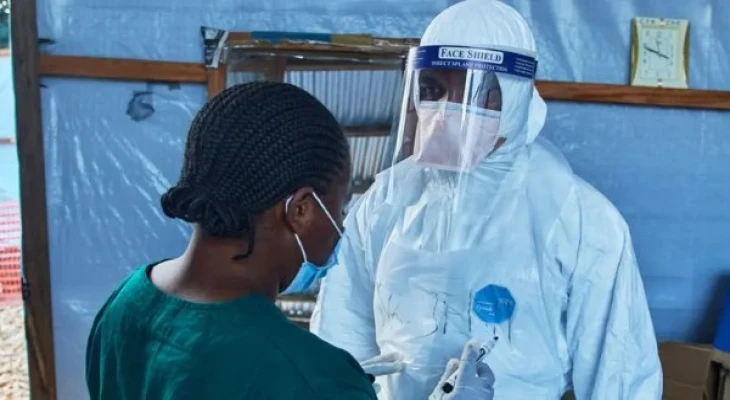
The number of confirmed Ebola virus cases in the Democratic Republic of the Congo has exceeded two thousand, with the death toll rising to 754 people, at a time when authorities are struggling to control what they describe as the fastest outbreak of the disease recorded in the country.
Latest data from the Ministry of Health showed 2,011 confirmed cases since the outbreak began, while 753 patients remain in isolation facilities or are receiving treatment in hospitals, compared to 366 people who have recovered so far.
The figures reflect the continued rapid spread of the virus, as cases and deaths have sharply increased over a few weeks, while health authorities warn that the actual toll may be higher due to undetected cases or those not reaching treatment centers.
The current outbreak is attributed to the rare Bundibugyo strain of the Ebola virus, which authorities confirmed appeared in Ituri province in the northeast of the country, before infections spread to other areas and provinces.
The outbreak officially began in mid-May, but it is believed to have been spreading within some communities before its discovery, allowing wide chains of infection to form that are difficult to trace.
The process of tracing people who have been in contact with the infected remains one of the main challenges, as coverage has not exceeded 67%, which is much lower than the level required to break the chains of transmission.
This gap means that thousands of people who may have been exposed to the virus are not under full daily monitoring, increasing the likelihood of new cases appearing within homes and communities before being detected or isolated.
Field estimates also indicate that a large proportion of new infections are not linked to previously known cases, reflecting the continued hidden transmission of the virus within the community.
Population movement and displacement caused by armed conflicts, along with mining activities and travel between cities and villages, increase the difficulty of containing the disease and preventing its spread to new areas.
The majority of infections are concentrated in Ituri province, especially in the city of Bunia and surrounding areas, but cases recorded in additional provinces have raised concerns about the outbreak turning into a wider health crisis.
Response efforts face additional pressure after healthcare workers at Bunia General Hospital went on strike, protesting the non-payment of their financial dues despite working under highly dangerous conditions.
The workers and other members of the response teams closed the hospital entrance, demanding the payment of wages and compensations they said they have not received since the outbreak began.
The stoppage by healthcare workers threatens to disrupt screening, isolation, treatment, and contact tracing operations, at a time when medical centers are already suffering from shortages of resources, protective equipment, and beds.
Workers at other treatment centers had organized similar protests due to delayed wages and low compensations, affirming that the risks they face do not match the support provided to them.
So far, there is no approved vaccine or licensed specific treatment to confront the Bundibugyo strain, making early detection, isolation, supportive care, and contact tracing the main tools to reduce deaths and disease spread.
Research teams have begun clinical trials to evaluate potential drugs and preventive measures, but their results will not provide an immediate solution to the current crisis, which requires expanding treatment centers, increasing testing, and improving contact follow-up.
Ebola infection is transmitted through direct contact with the blood or bodily fluids of an infected person, and the virus does not usually spread through the air in the same way respiratory diseases do.
Symptoms of the disease include fever, fatigue, muscle pain, headache, and sore throat, and may develop into vomiting, diarrhea, organ dysfunction, and bleeding in some cases.
Authorities confirm that controlling the outbreak requires rapid access to the infected, securing safe burial of the deceased, protecting healthcare workers, and gaining the trust of local communities, some of which have witnessed resistance or skepticism towards response measures.
With infections continuing to rise and some health services disrupted, Congo faces a race against time to prevent the current outbreak from becoming one of the largest Ebola waves in the history of the country and the region.










Wednesday, 15 July 2026
Loading...
--°C
--°C
- --%
- -- kmh
- --%