
Arab Canada News – News for the Arab Community in Canada
News
Ramadan month: Renewed calls to revive the time of Suhoor with worship and supplication
Calls to revive the last third of the night and seize the blessing of suhoor in the month of Ramadan
Published: February 22, 2026
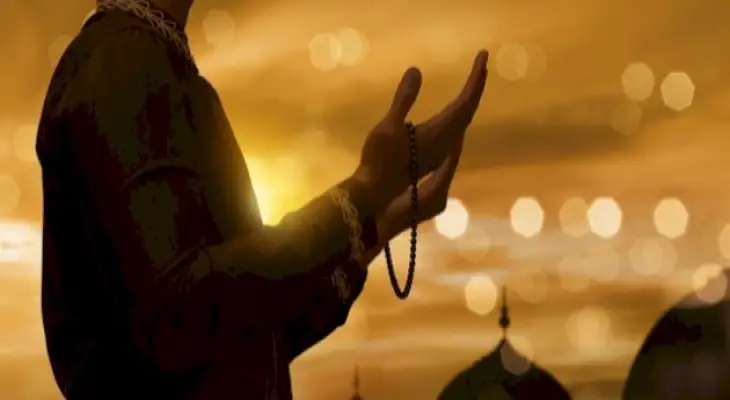
With the arrival of the blessed month of Ramadan, Muslims renew their interest in spending its nights in acts of worship, especially in the last third of the night, which is considered one of the greatest times for worship and supplication. Scholars of Sharia confirm that the time of Sahar holds a special status due to the authentic texts that explain its virtue and great impact.
It has been established in the prophetic Sunnah that Allah Almighty descends to the lowest heaven in the last third of the night, calling His servants: «Is there a supplicant so I may respond to him? Is there one who asks so I may give him? Is there one who seeks forgiveness so I may forgive him?», which makes this time one of the most hopeful times for answered prayers.
Specialists in Sharia sciences see that Sahar is characterized by the purity of the heart and tranquility of the soul, where a person is alone with his Lord away from the distractions of life, which enhances the meanings of humility and supplication. They also point out that performing night prayers and supplication at this time represent a renewed spiritual opportunity to correct the path and renew the covenant with Allah.
Regarding the narrated supplications, scholars clarified that there is no specific supplication for Sahar itself, but the Prophet ﷺ used to frequently supplicate during the night prayers, including his supplication: «O Allah, You are the King, there is no deity but You…», and his supplications for seeking forgiveness, well-being, debt relief, and asking Allah for His bounty and mercy. Muslims also commonly recite during Ramadan the supplication: «O Allah, indeed You are Pardoning and Generous; You love pardon, so pardon me», especially on the blessed nights.
The scholars confirm that Sahar itself carries a special blessing, based on the Prophet’s ﷺ saying: «Take Sahar meals, for indeed there is a blessing in Sahar», and fasting is among the greatest acts of closeness to Allah. It was narrated in the hadith: «Whoever fasts Ramadan out of faith and seeking reward, his past sins will be forgiven», and in the Qudsi hadith: «Every deed of the son of Adam is for himself except fasting; it is for Me and I will reward it».
Specialists advise those who wish to seek the acceptance of supplication during the time of Sahar to do several things, most notably: increasing seeking forgiveness, praising Allah before supplication, sending blessings upon the Prophet ﷺ, sincerely imploring, and persistently asking with certainty of response.
Observers of religious affairs agree that making use of the time of Sahar in Ramadan represents an important faith station that contributes to deepening the connection with Allah and enhances the spirituality of the blessed month, amid widespread eagerness among Muslims to perform acts of worship during these virtuous days.
May Allah send prayers, peace, and blessings upon our Prophet Muhammad and upon his family and companions all together.














Sunday, 19 July 2026
Loading...
--°C
--°C
- --%
- -- kmh
- --%