
Arab Canada News – News for the Arab Community in Canada
News
Basics of Dealing with Banks: How to Manage Your Money with Confidence and Intelligence
How to deal with banks professionally and multiply your money smartly

Published: November 11, 2025
By: Karim Moussa
Continuing from the previous article How to Start Planning Your Budget, in this article we will talk about the basics of dealing with
banks smartly and how to manage your money inside banks in a way that contributes to increasing the value of the saved money and avoiding
mistakes that may lead to a big loss in the long term. For more free information about dealing with banks, you can visit
Money Matters by ABC – Life Literacy Canada website
First, what are banks?
Banks are financial institutions that provide some important services in the world of money such as deposit safekeeping, granting loans, money transfers, and account management. They form the link between individuals and companies in the movement of money and the economy.
There are various types of banks according to financial specialization such as
Commercial banks: They are the most widespread, serving individuals and small companies through current accounts and savings accounts, in addition to providing personal loans and payment and transfer services.
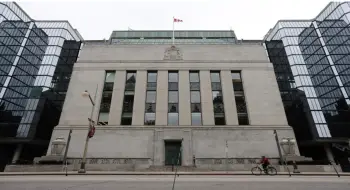
Central banks: Represent the highest authority in the banking system, supervising other banks. They are responsible for issuing currency, setting and implementing monetary policy, and ensuring the stability of the financial system in the country.
Investment banks: Specialize in dealing with large companies, helping them raise capital through issuing stocks and bonds, as well as participating in mergers and acquisitions and providing financial consulting.
Islamic banks: Operate according to Islamic Sharia principles, prohibiting interest and relying on alternative financing methods such as partnership and profit-sharing, where profits and losses are shared between the bank and the client.
Second, types of bank accounts: Which one suits you?
Current account: The most used account for daily transactions such as deposits, withdrawals, and bill payments.
It allows the holder to access their money at any time without restrictions, and usually does not grant interest on the balance.
Savings account: Designed to encourage saving, as it grants interest on the deposited amount, with the possibility of withdrawal when needed.
Salary accounts: Dedicated to receiving monthly salaries directly from the employer.
They usually feature no monthly fees and easy withdrawal via debit cards.
Commercial accounts: Allocated for business owners or commercial activities, allowing transfers, payment of supplier invoices, and collection of payments from customers.
Third, credit cards
A credit card is a financial service that gives you the ability to buy now and pay later. A credit limit is set by the bank, representing the maximum amount that can be used, to be repaid later either in one payment or in monthly installments.
Important tips when using a credit card
Pay the full amount every month to avoid high interest.
Constantly monitor your expenses, and do not use the card for random or excessive purchases.
Do not exceed 30% of the credit limit granted to you, as this maintains your good credit rating.
Check the monthly statement carefully and ensure the accuracy of all recorded transactions.
Avoid cash withdrawals from the card, as the interest on cash withdrawals is higher than the interest on purchases.
Keep your card information completely confidential, and do not share the card number or security code (CVV) with any untrusted party.
Remember that the credit card can be the star of financial transactions and the dawn of modern services, so you must use it with great caution.
Fourth, bank loans: What are they and how do they work?
A bank loan is an amount of money provided by the bank to the client, whether an individual or a company, in exchange for the client's commitment to repay the amount within a specified period with an agreed-upon interest rate.
Loans are a means that help individuals finance their various needs, such as buying a house or a car or financing a project, but at the same time, they are a significant financial responsibility that requires careful planning.
Types of bank loans
Personal loan: Granted to individuals to cover personal expenses such as education, travel, or renovations; sometimes it may not require guarantees.
Car loan: Dedicated to financing the purchase of a new or used car, usually secured by the car itself.
Housing loan (mortgage): Used to buy a house or property, repaid over many years, with the property considered collateral for the bank.
Project or business loan: Granted to business owners to expand their activity or finance capital, requiring feasibility studies and strong guarantees.
Fifth, banking security: How to protect your money from fraud and hacking?
With the development of digital banking services, banking security has become more important than ever. While technology has facilitated money management, it has also opened the door to electronic fraud attempts and data theft.
Therefore, customer awareness has become the first line of defense to protect their money.
Tips to maintain your banking security
Use only official channels, and only access your bank account through the bank’s official website or app.
Activate two-factor authentication, as it adds an extra layer of protection to your account.
Never share your banking data, such as card number, security code (CVV), or password, even if the caller claims to be from the bank.
Beware of fake links.
Avoid using public Wi-Fi networks when accessing your bank account or making any financial transfers.
Finally, you can benefit from all this information and more by visiting













Friday, 05 June 2026
Loading...
--°C
--°C
- --%
- -- kmh
- --%