
Arab Canada News – News for the Arab Community in Canada
News
The owner's default on the mortgage does not automatically mean the tenant loses their home.
Experts urge tenants to know their rights and document payments when the property enters foreclosure proceedings
Published: June 9, 2026
Toronto —
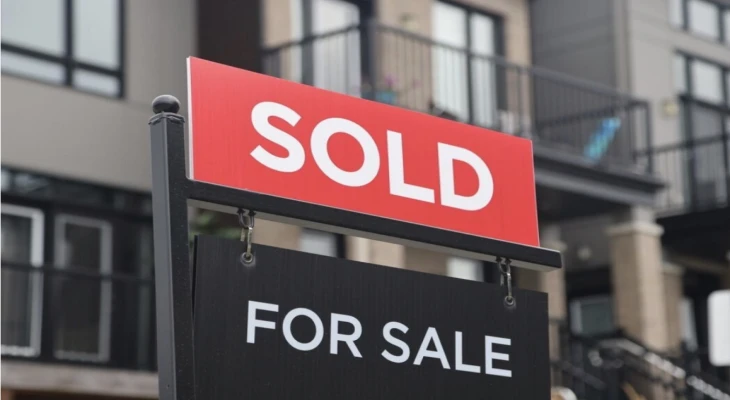
Some tenants may find themselves in a worrying situation when they discover that the landlord has not paid the mortgage installments, and the bank has started the process of selling or repossessing the property.
Although the situation may seem confusing, experts confirm that the tenant does not automatically lose their rights simply because the landlord defaults or control of the property transfers to the lender.
In Ontario, if the bank initiates foreclosure proceedings, the lender may practically become the landlord, which means they must respect the basic obligations related to the property, while the lease remains valid as long as the tenant continues to pay rent and comply with the terms of the contract.
In some cases, the lender may ask the tenant to pay the rent directly to them instead of the landlord. In such cases, the request should be taken seriously after verifying its validity and documenting all payments.
The new owner does not have the right to terminate the lease automatically just because they purchased the property. In Ontario, leases can usually only be terminated according to legal rules, such as the new owner or a direct family member wishing to live in the property for no less than a year, with the required notice and compensation.
In other provinces, legal protections may differ. In British Columbia, court orders in cases of foreclosure or repossession may lead to quicker lease termination, making it important for tenants to follow legal procedures.
Experts advise tenants not to stop paying rent, to keep copies of the lease, receipts, and correspondence, and to request written clarifications from the landlord or lender upon receiving any notice related to the sale or repossession of the property.
It is also advised not to leave the unit just because of receiving an unclear letter or notice, before reviewing local laws or seeking legal advice from a specialized tenant rights organization.
This issue becomes more important with rising mortgage costs and loan renewals at higher interest rates, which may cause some rental property owners to default and leave tenants in a state of uncertainty.













Tuesday, 09 June 2026
Loading...
--°C
--°C
- --%
- -- kmh
- --%